Understanding your customers and where they’re headed is one of the most important things you can do in business.
Many teams do customer interviews, craft up personas for marketing and sales, and assume that the task is done. The only problem is, customers are always changing.
Markets evolve. Preferences change. A new competitor enters town. How useful are your customer personas, if they were rubber-stamped a year ago, and you haven’t done any dedicated customer learning since?
This is a trap a lot of teams fall into. And it’s one we want to help you avoid. If you have a tool that can help you get a continuous stream of insights into customer preferences, doing this exercise biannually, or even quarterly, can provide a lot of benefits for your team.
In this article, we’re going to explore what this can look like. Both from a best practices perspective, and how you can leverage an AI-powered customer insights tool like Kapiche, to make the whole process seamless and impactful.
What Are Data-Driven Customer Personas?
No matter how well-formatted and how well-written you’ve made them, ‘customer personas’ are at best fictionalized representations of your customers. Sure, they embody a group of traits, preferences, challenges, and goals of different segments. Having them can provide valuable direction for your team. But personas themselves are not the end-all all be-all – they are not living, breathing customers after all.
As much as possible, you want to avoid guesswork and static survey data with minimal context. These are the traditional personas we see a lot of teams default to.
What sets data-driven customer personas apart is their foundation in customer truth. How?
They’re not based on guesswork or grouping patterns we think sound relevant together. They are rooted in actual customer behavior we’ve observed, sentiment we’ve tracked, or verbatim we’ve gathered.
Here’s why this difference matters, and why you should aim for data-driven personas:
Precision. They reflect an accurate picture of your audience. Not a made-up one. This helps you speak to them, through your products and marketing, with accuracy.
Agility. Data-driven personas assume the task of ‘building a persona’ is never done. They are living, breathing documentations of your living, breathing customers. This means you have a process for incorporating up-to-date data to account for and anticipate the shifts in customer behavior, and changing market conditions.
Alignment. They are designed so that teams across marketing, product, and CX can make use of them, collaborating effectively with shared language and projects.
This anatomy looks a little different than the traditional, dusty PowerPoint you probably have somewhere on your Google Drive. Instead, we want to swap that out for something more meaningful.

Why Your Personas Need to Evolve: What’s at Stake
Maybe you’re thinking, ‘my personas are good enough, we spent a whole 6 weeks interviewing customers last year, they can’t be that out of date!’
You might be right, nothing’s changed. But I’d argue, that’s a pretty risky assumption.
Customer personas are not static. What was true a year ago may not apply today. As markets, trends, and customers shift, so must your personas.
The real danger of sticking with outdated information is that you will be building marketing plans and making product roadmap decisions based on data that’s outdated.
Still not convinced? Here are just a few key changes that have rocked the status quo in the past few years:
1. Changing Customer Expectations
We all know the pandemic shifted how people shop, communicate, work, and communicate with brands. In 2023 alone, 80% of consumers reported being more likely to buy from brands that offer more personalized experiences based on their preferences and behaviors. ‘Cohort-of-one’ level personalization is becoming more and more table stakes. If your personas don’t reflect the massive leaps that customers are making in their buying expectations, a competitor certainly will. Not to mention your one-size-fits-all marketing and product strategies could fall completely flat.
2. Shifting Demographics and Buying Power
According to Nielsen, younger generations increasingly value social responsibility in brands, which could significantly affect your customer segmentation. If your persona isn’t updated to reflect these values, you might miss the mark with key segments. Neilson’s survey revealed that 73% of millennials were willing to pay more for sustainable products, up from 50% the year prior.
3. Behavioral Changes
As people interact with your brand more, their behaviors may change. Personas built on historical data risk missing these new patterns. For example, a growing market trend attracts innovation and competition. After a time, with more solutions to choose from, customers adjust their expectations and preferences, dictating their buying behaviors. Without regular insights into these changes, you will lag in your ability to serve people well.
The only way to ensure your personas stay relevant and actionable is by regularly revisiting them and grounding them in real-time data. This is where leveraging tools like Kapiche, which centralize feedback and bring all relevant data points together, becomes crucial.

Building Personas with Data-Driven Insights
Here are some tips for building personas using data-driven insights:
1. Leverage Customer Feedback
Effective personas mean packing your conclusions with real, timely insights.
Collect data from all customer touchpoints you have. Surveys, social media, support tickets, reviews, and any other customer learning activities you’ve done. This will give you a good mix of both qualitative and quantitative data to shape your personas.
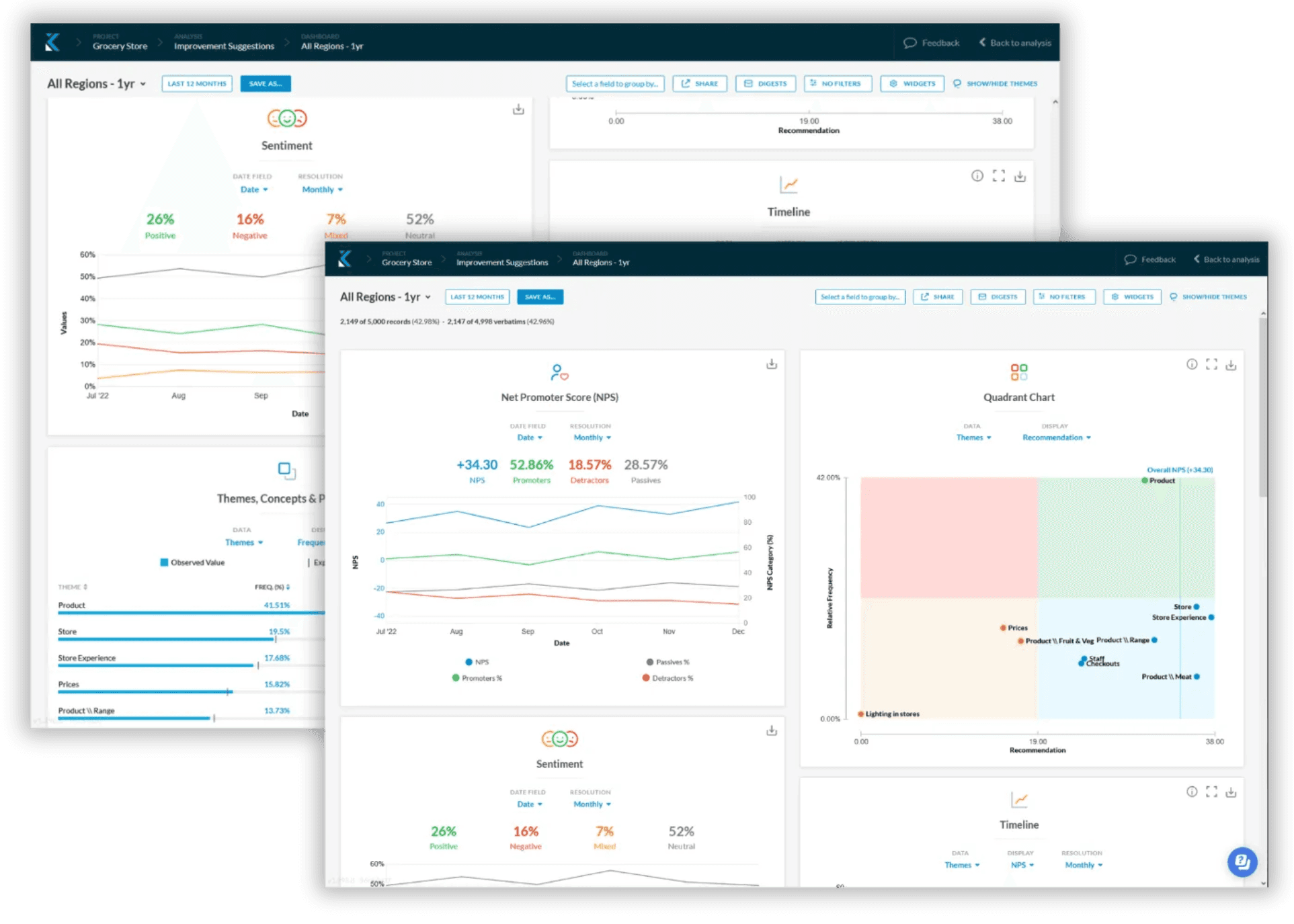
Kapiche's AI-powered tools, like auto-theming, help analyze large sets of unstructured data quickly and make this process easy. For example, by analyzing open-ended survey responses, you can identify emerging themes, preferences, and pain points that help you create nuanced personas.

2. Use Behavioral Data, Not Just Demographics
While demographic data (age, location, job role, etc.) is still useful, it’s not enough on its own.
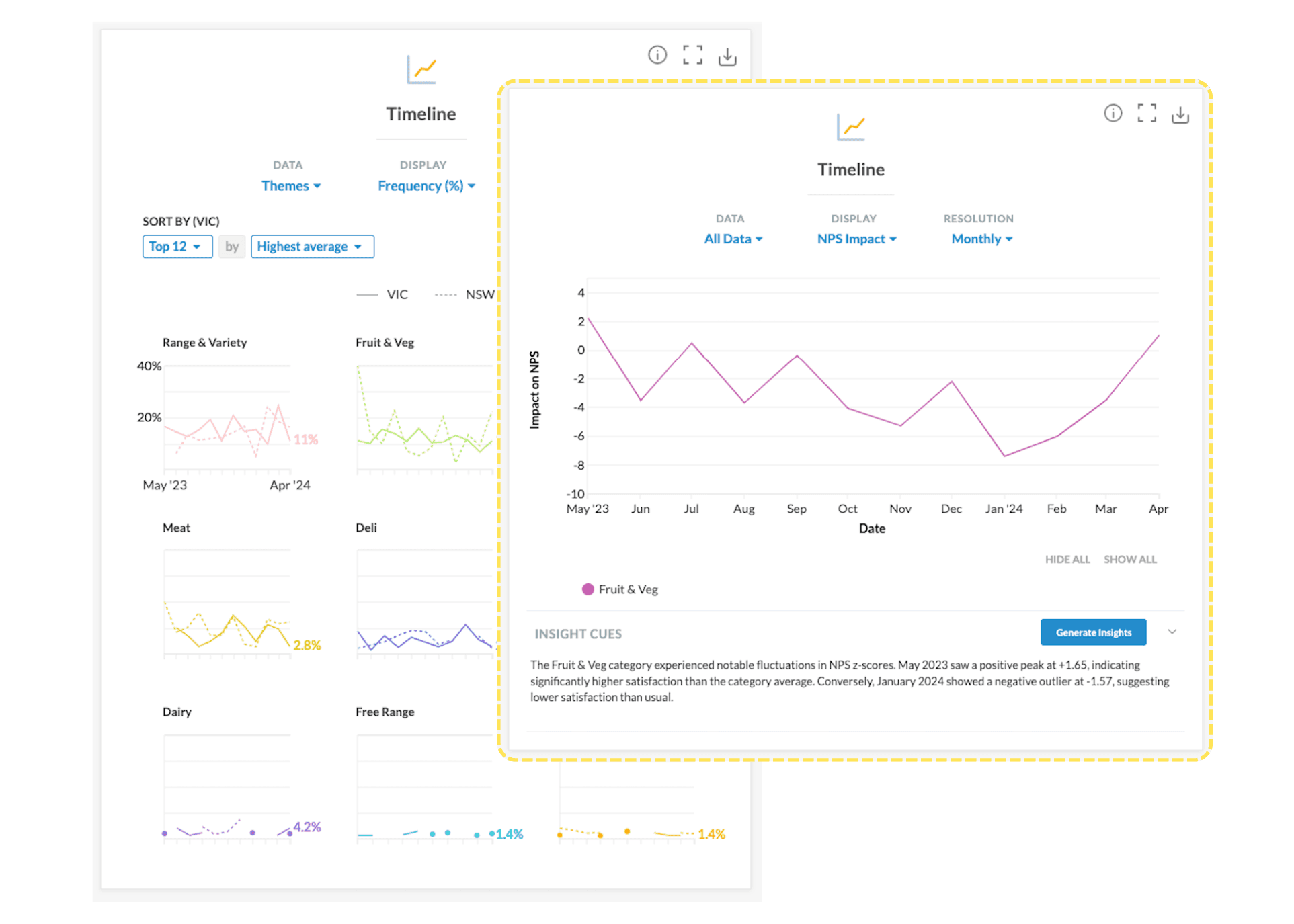
Behavioral data like purchase history, website interactions, and engagement patterns, gives a deeper understanding of your customer’s actual actions and motivations.
If a customer consistently browses certain types of products or keeps engaging with specific content on your website, this gives you richer insights into their persona than their demographic data alone.
Kapiche’s centralized platform consolidates rich data from multiple feedback sources across your ecosystem, allowing you to observe behaviors across touchpoints and map them to personas effectively.
3. Segment Your Audience With Data, Not Assumptions
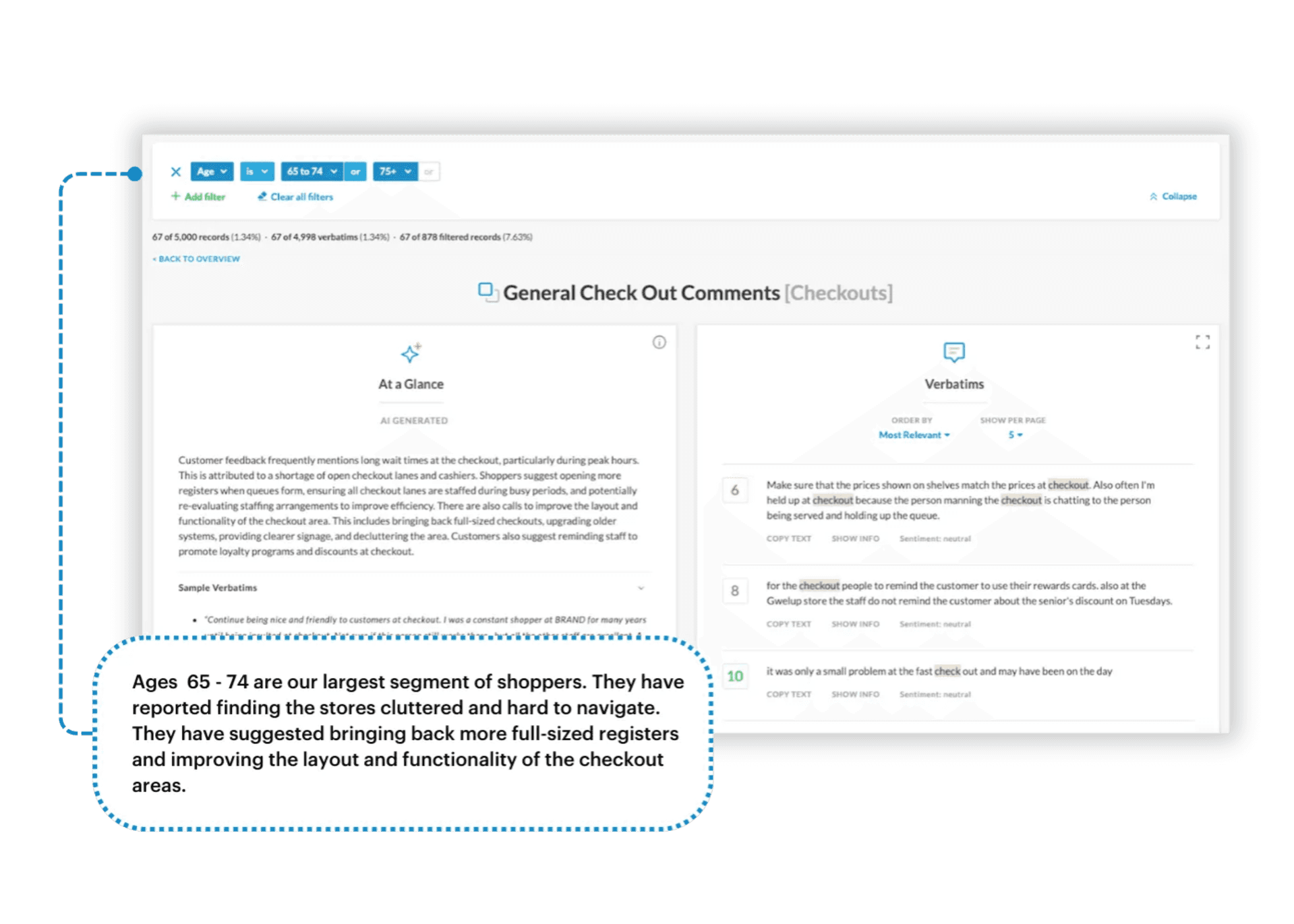
Instead of building one-size-fits-all personas, segment your audience based on the insights you’ve gathered.
For example, you might discover that your audience is more complex than a simple age-based segmentation and may need to be broken down further by attitudes, needs, and behaviors. Segmenting by factors like product usage or customer satisfaction allows you to tailor your personas to groups that are more meaningful to your business.
4. Regularly Update Your Personas
As we pointed out earlier, the landscape is constantly shifting. What worked for your personas last year may not be true today.
This is why it's essential to keep your personas dynamic by feeding them new data from regular customer feedback, behavioral insights, and market trends. Kapiche’s AI tools allow you to continually update your personas with fresh insights, helping you stay ahead of the curve