Your latest NPS report looks fine. Survey scores are holding steady. But escalations are climbing, and three enterprise accounts just churned without a single complaint ticket. Where did the signal go?
It was in thousands of conversations your team never had time to analyze.
This is the reality most CX leaders are living with. Surveys give you a clean, reportable number. But according to the Harvard Business Review, 96% of dissatisfied customers never complain directly. They simply leave. The signal was always there. It just wasn't in your survey responses.
The tools that actually fix this problem don't ask customers to fill in a form. They analyze every conversation that's already happening, including support calls, chat transcripts, emails, and reviews, and turn that signal into intelligence your team can act on today, not next quarter.
Most feedback tools are built around surveys. That means they're built around the 5% of customers who bother to respond. This guide is about the other 95%, and the platforms that help you stop ignoring them.
Table of contents
What is customer feedback analytics software?
Why it matters for CX leaders (and the KPIs you're measured on)
Key features to look for
Best customer feedback analytics software in 2026
How to choose the right tool for your business
In summary
FAQs
What is customer feedback analytics software?
Customer feedback analytics software is a category of tools that collect, organize, and analyze customer feedback from multiple sources, including surveys, support interactions, chat, online reviews, and social media, to surface insights that inform business decisions. Modern platforms use artificial intelligence (AI) and natural language processing (NLP) to do this at scale, processing large volumes of unstructured text and speech that would be impossible to analyze manually.
This is fundamentally different from a basic survey tool or review aggregator. Survey tools collect structured responses to questions you decided to ask. Feedback analytics platforms analyze what customers say, whether you asked or not.
Customer feedback doesn't come from one place. It spans surveys, online reviews, social media, email, and the contact center, where thousands of real customer conversations happen every day. A good platform draws from all of these sources, treating each one as part of a complete customer intelligence picture rather than a siloed data stream.
A few things are worth clearing up about what this category actually is. It's not just a survey platform. The most powerful solutions analyze conversations that were never prompted by a survey at all. It's not a reporting tool either. It tells you what to do, not just what happened. And it doesn't replace human judgment. It means your team spends time on decisions, not data wrangling.
For CX leaders, the business case is direct. This software connects to your core accountability: understanding customers deeply enough to reduce churn, improve satisfaction, and grow revenue. It allows teams to shift from reactive firefighting to proactive experience improvement. Without it, decisions get made on incomplete and delayed data. Surveys typically capture only 4 to 7% of customer experiences. Emerging issues go undetected until they show up in churn figures or public reviews. And CX teams lose credibility with the business because they can't demonstrate cause and effect between experience changes and outcomes.

Why customer feedback analytics software matters for CX leaders
1. Get signal from 100% of your customer interactions, not just 5%
Here's what sampling-based feedback actually means in practice. Your QA team reviews 1 to 5% of support calls. Your surveys capture responses from 4 to 7% of customers who had an experience worth sharing. That means on a typical day, somewhere between 93 and 99% of what your customers are telling you goes completely unheard.
That's not a data gap. That's a strategy gap.
Customer feedback analytics software that ingests call recordings, chat transcripts, email threads, and digital interactions alongside survey data gives CX teams something most have never had: a representative view of reality. Not a sample. Not a snapshot. Every interaction is analyzed, so that the patterns you act on are real and the problems you catch are caught early.
When your competitors are still reading quarterly survey reports, you're getting alerts the same week an issue starts. That gap compounds fast.
2. Catch churn before it happens
By the time churn shows up in your retention data, you've already lost. The customer didn't decide to leave last week. They decided three or four weeks ago, in a support call that went badly, in a theme that spiked quietly, in a frustration that repeated across ten different conversations while your team reviewed 1% of them.
Customer conversations contain early warning signals, including recurring frustration themes, sentiment shifts, and escalation patterns, that appear weeks before churn shows up in your numbers. A feedback analytics platform with predictive capability identifies those patterns automatically and flags at-risk customers before they've mentally moved on.
Journey segment analysis and automated theme detection are the capabilities that make this kind of proactive intervention possible, connecting what customers are saying right now to the likelihood of specific outcomes next month.
One telecommunications company reduced customer churn by identifying emerging complaint themes in support conversations three to four weeks before those issues showed up in survey data, giving their retention team time to act before customers had already decided to leave.
3. Understand the "why" behind your NPS and CSAT scores
Your NPS dropped two points. Congratulations. You now know something happened. You have no idea what.
That's the core problem with scores as a primary data source. Two organizations can have identical NPS numbers for completely different reasons. Without the qualitative context behind the numbers, you're managing outcomes you can't explain and presenting metrics you can't defend when leadership asks follow-up questions.
AI-powered theme detection changes this. It analyzes the qualitative drivers behind your scores across 100% of feedback, not just the 5% who responded to a survey. When your CSAT dips, you know exactly which themes drove it. When your NPS recovers, you can point to the specific interventions that moved it.
That kind of evidence doesn't just improve your programs. It changes how the business sees CX.
4. Surface product and process friction without manual review
Customer conversations are full of unsolicited feedback: confusing UI, broken processes, missing features, and billing errors. Manually reviewing at volume isn't feasible for any team. The signal exists. Your team just doesn't have the capacity to find it.
AI-powered analytics platforms automatically surface and categorize these themes, track them over time, and alert teams when something starts to spike. For product and CX teams, this means visibility into friction points that would otherwise stay buried in unread transcripts and unreviewed tickets.
5. Build a business case for CX investment
"CX is hard to measure" is the excuse that gets CX budgets cut. It also happens to be wrong. It's just hard to measure when your data only covers 5% of customer interactions and your reporting lives in a tool that can't connect experience changes to revenue outcomes.
Feedback analytics software that connects conversation insights to business metrics removes that excuse entirely. When you can show that a specific billing friction theme drove measurable churn last quarter, or that resolving a recurring agent behavior issue moved CSAT by a specific number of points, CX stops being a cost center and starts being a growth argument. Executive reporting that draws a straight line from conversation intelligence to retention outcomes is what makes that case in the room.
Key features to look for in customer feedback analytics software
Omni-channel data ingestion. Can the platform ingest feedback from all your channels? Look for support for call recordings, chat transcripts, email, surveys, reviews, and social media. Siloed tools give you a fragmented picture. The best platforms unify all sources so you're working from a single, coherent view of the customer.
AI-powered theme detection and NLP. The platform should automatically identify and categorize themes in unstructured text and speech without requiring manual tagging or rule configuration. Volume makes manual analysis impossible. AI does the categorization so your team can focus on the response.
Sentiment and intent analysis. Beyond what customers are saying, the platform should surface how they're feeling and what they're likely to do next. Sentiment trends are leading indicators. A sentiment dip in support calls often precedes a churn spike by weeks.
Real-time alerting and trend monitoring. When a new issue emerges or an existing theme starts to spike, the platform should surface it immediately, not in the next monthly report. Speed of insight equals speed of response. Issues caught early cost significantly less to fix.
Cross-channel dashboards and reporting. Insights need to be presentable to different stakeholders, including frontline team leads, product managers, and the executive team. A platform that only outputs data for analysts limits the organizational reach of your insights.
Integration with your existing tech stack. The platform should connect with your CRM, helpdesk, and BI tools. Insights that live in isolation don't drive action. Integration means feedback data can enrich customer records, trigger workflows, and inform decisions across the business.
When evaluating platforms, look specifically for 100% coverage capability, AI-powered qualitative analysis at scale, unified cross-channel feedback, and a customer intelligence layer that connects raw feedback to strategic decisions, not just dashboards.
Best customer feedback analytics software in 2026
1. Kapiche
Kapiche is a customer intelligence platform built for CX and Support teams who are done making million-dollar decisions on 5% of customer reality.
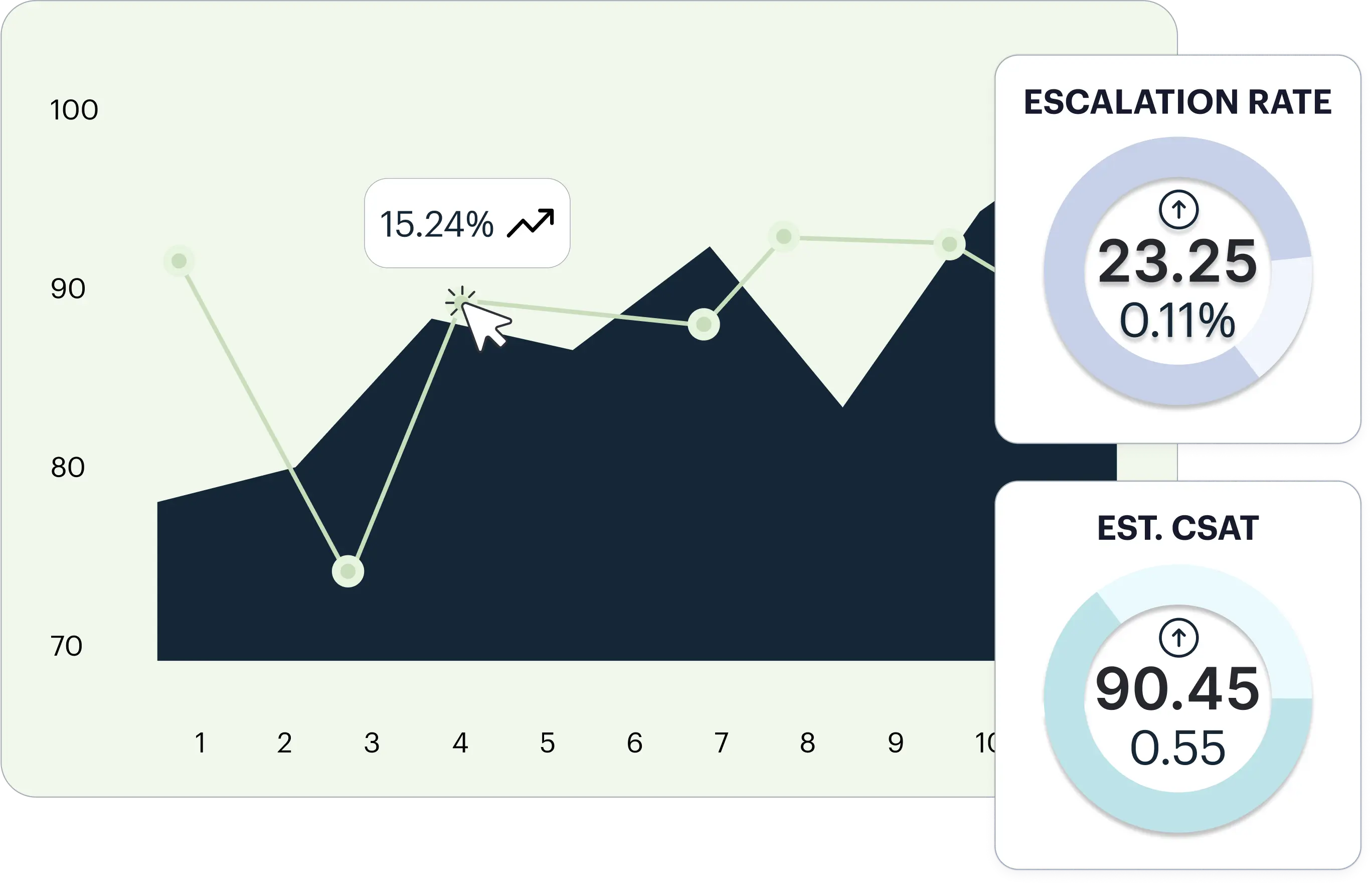
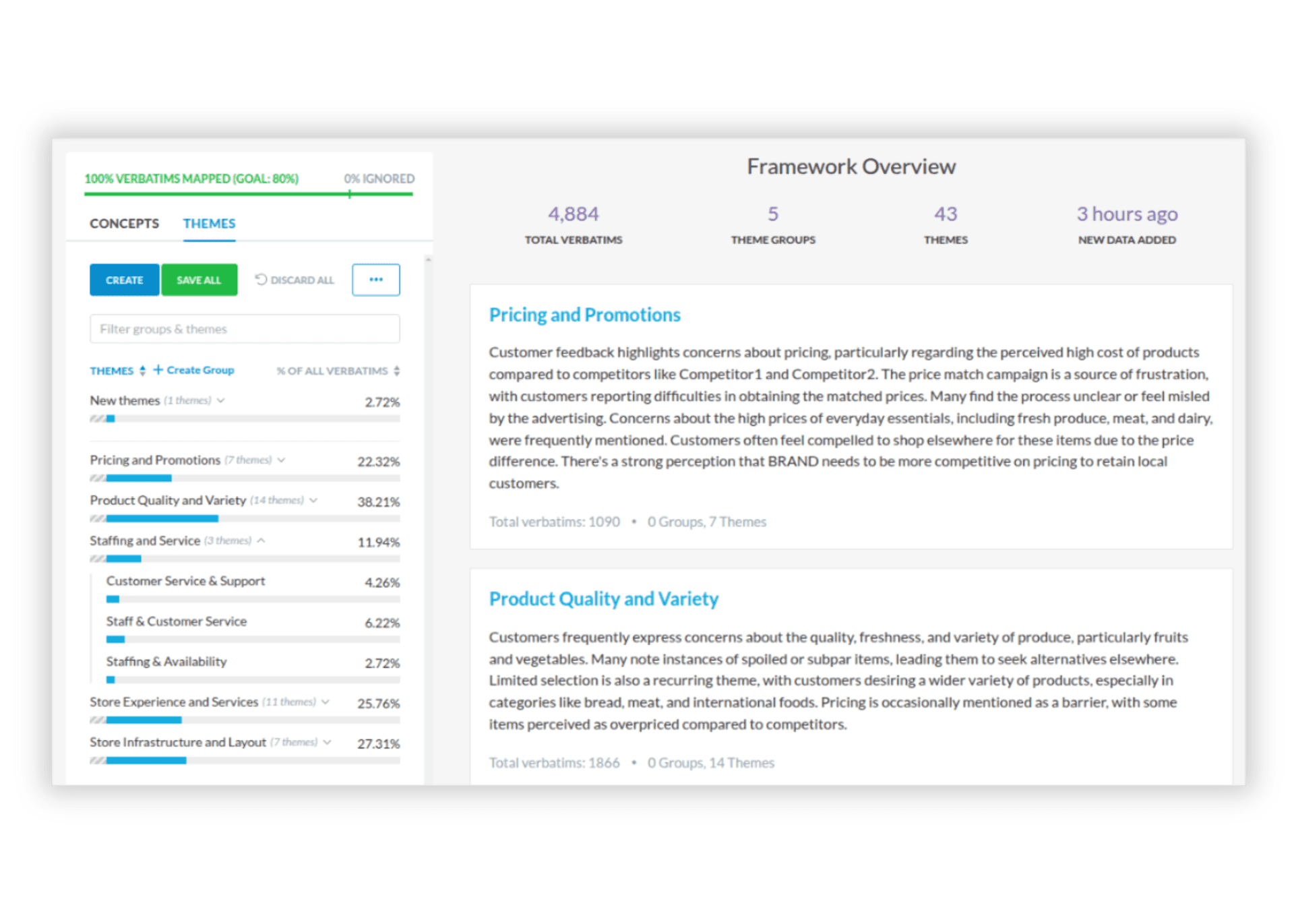
Most platforms claim to analyze customer feedback. Kapiche does something different: it normalizes it. Its AI enrichment layer takes messy, inconsistent conversation data from every channel, including support calls, chat transcripts, email threads, surveys, and reviews, and transforms it into structured, comparable intelligence. Every interaction gets tagged with fields like reason for contact, estimated CSAT, journey stage, escalation risk, and agent behavior flags. That's not a feature. That's the infrastructure that makes 100% coverage actually useful rather than just a large pile of unread transcripts.
The result is that Kapiche can do things other platforms can't. It scores customer satisfaction across every interaction, not just the ones where someone filled in a survey. It detects when a theme is moving outside its normal statistical range and alerts your team before the problem compounds. It maps conversations to specific customer lifecycle stages so you know whether a billing issue is hitting new customers disproportionately or showing up at renewal. And it packages that intelligence into role-specific reports, including QA summaries for support leaders, CSAT driver analysis for CX teams, and executive briefings that connect experience trends directly to retention outcomes.
For CX leaders who need to prove ROI, and Support leaders who need to move from 1% call sampling to 100% coverage, this is the platform built for that transition.
Key features and benefits:
AI enrichment layer that normalizes unstructured conversations into structured, comparable intelligence across every channel
Estimated CSAT scoring across 100% of interactions, including those with no survey response
Real-time alerting when conversation themes move outside expected statistical ranges
Journey segment enrichment that maps conversations to specific customer lifecycle stages
Role-specific reporting for Support (QA), CX (theme impact), and executive audiences
100% feedback coverage across all customer channels, not just survey respondents
Cross-channel feedback unification with a consistent methodology, so you can compare like with like
Best fit: CX and Support leaders in mid-market to enterprise businesses who need genuine customer intelligence across 100% of interactions and want to move from reactive issue discovery to proactive intervention.
2. Qualtrics XM
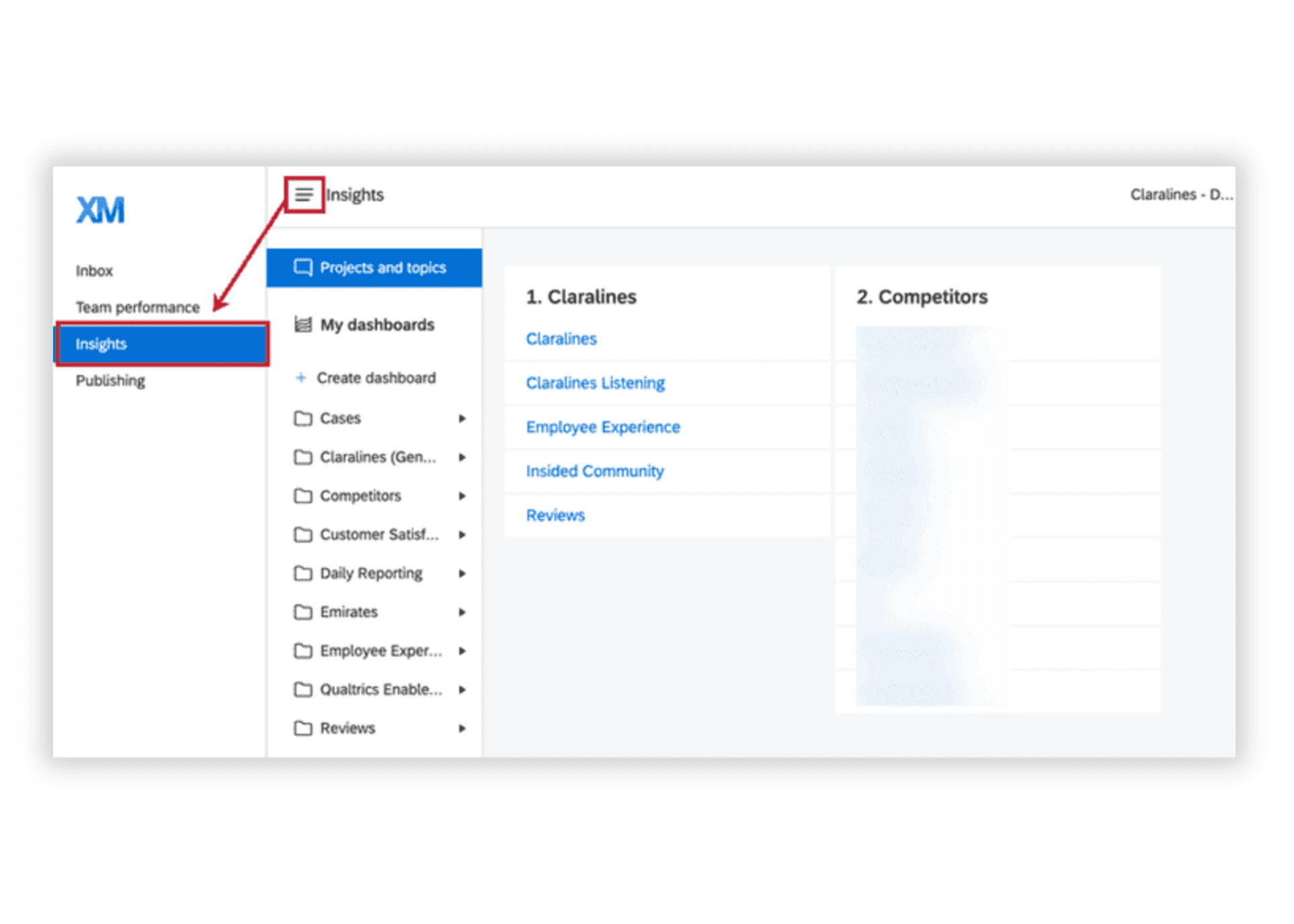
Qualtrics XM is an enterprise experience management platform built primarily around survey design, distribution, and structured feedback collection, with analytics capabilities layered on top.
It offers a comprehensive suite of tools for organizations with mature survey programs, including employee experience, product experience, and customer experience modules. The platform is well-suited to large enterprises that need robust survey infrastructure, reporting workflows, and integration with existing enterprise systems.
Where Qualtrics is strong in structured survey collection and analysis, it is less focused on analyzing unstructured feedback at scale, such as support call transcripts or chat conversations, which limits its ability to provide full coverage of customer intelligence beyond the portion of customers who respond to surveys.
Key features and benefits:
Comprehensive survey design and distribution capabilities
Cross-tabulation and statistical analysis for structured response data
Role-based dashboards and reporting for large enterprise teams
Integration with Salesforce, SAP, and other enterprise platforms
Text analytics on open-ended survey responses
Best fit: Large enterprises with established survey programs and complex organizational reporting needs.
3. Medallia
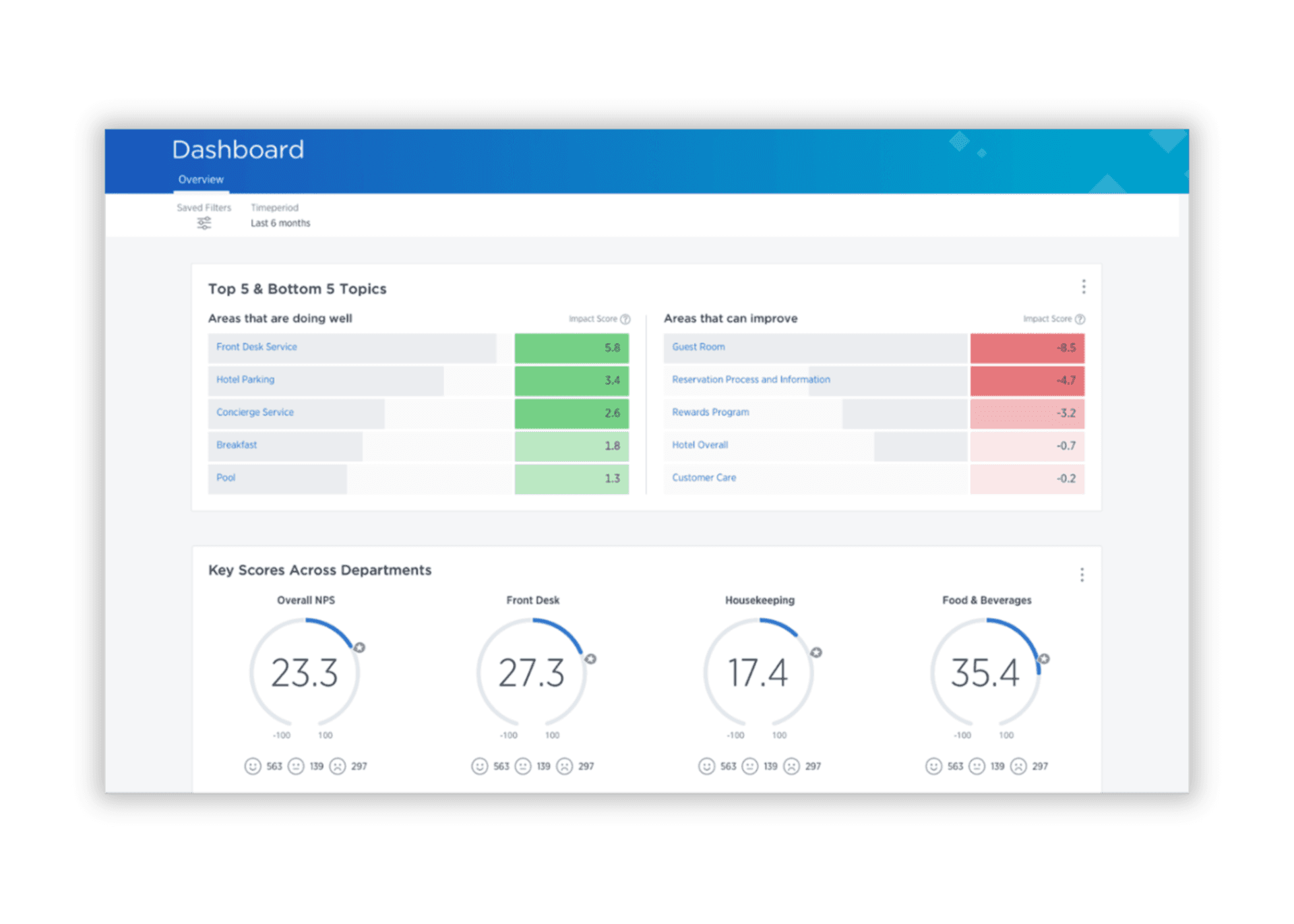
Medallia is a customer experience platform focused on signal capture across digital and physical touchpoints, including surveys, digital behavior, and in-location feedback.
The platform is designed for large enterprises with complex, multi-touchpoint customer journeys and is particularly strong in industries like hospitality, retail, and financial services. Medallia collects feedback across a range of channels and provides analytics tools for understanding customer experience performance at scale.
Its strength lies in breadth of signal capture across traditional feedback channels. Teams evaluating Medallia for deep unstructured conversation analysis across support interactions should assess the specific capabilities available for that use case.
Key features and benefits:
Multi-channel signal capture across digital and physical touchpoints
Role-based experience reporting for frontline and executive stakeholders
Text analytics and sentiment scoring on open-ended feedback
Industry-specific solutions for hospitality, financial services, and retail
Journey-level analysis across multiple feedback sources
Best fit: Large enterprises in complex, multi-location industries that need broad signal capture across customer touchpoints.
4. Usersnap
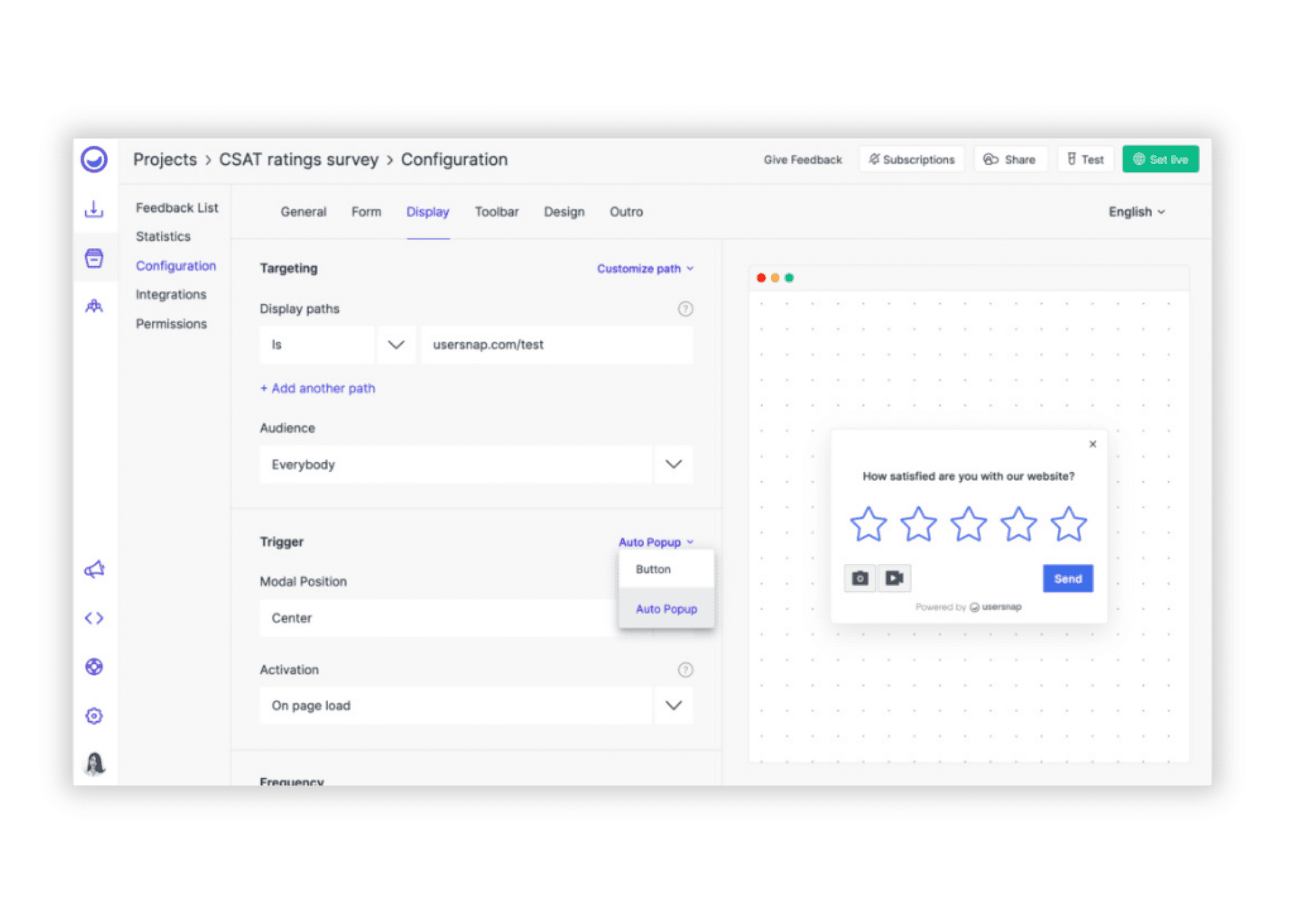
Usersnap is an in-product feedback collection tool designed primarily for product and UX teams collecting feedback within digital applications. It allows users to submit visual feedback, annotate screenshots, and report bugs directly from within a product interface.
Its analytics capabilities are focused on product-specific feedback rather than broader customer experience or contact center conversation analysis. It is not designed for analyzing support call transcripts, chat conversations at scale, or cross-channel customer intelligence.
Key features and benefits:
In-product feedback widgets with screenshot annotation
Bug and feature request tracking for product teams
Microsurveys triggered by user behavior within the product. Integration with product management and development tools
Session replay capabilities for UX analysis
Best fit: Product and UX teams collecting in-app feedback to inform development decisions; less suited for CX or support conversation analysis.
5. Mopinion
Mopinion is a digital feedback platform focused on collecting and analyzing feedback from websites, mobile apps, and email campaigns. It is designed for digital teams who want to understand how users experience their digital properties.
The platform offers survey tools, funnel analysis, and feedback analytics for digital channels. Its scope is primarily digital rather than contact center or support conversation analytics, making it a better fit for digital experience optimization than broad CX intelligence programs.
Key features and benefits:
Feedback collection from websites, apps, and email
Visual dashboard and reporting for digital channel performance
Heatmaps and funnel analysis for digital user journeys
Custom survey triggers based on user behavior
Integrations with digital marketing and analytics tools
Best fit: Digital and marketing teams focused on optimizing website and app experiences through structured feedback collection.
6. Birdeye
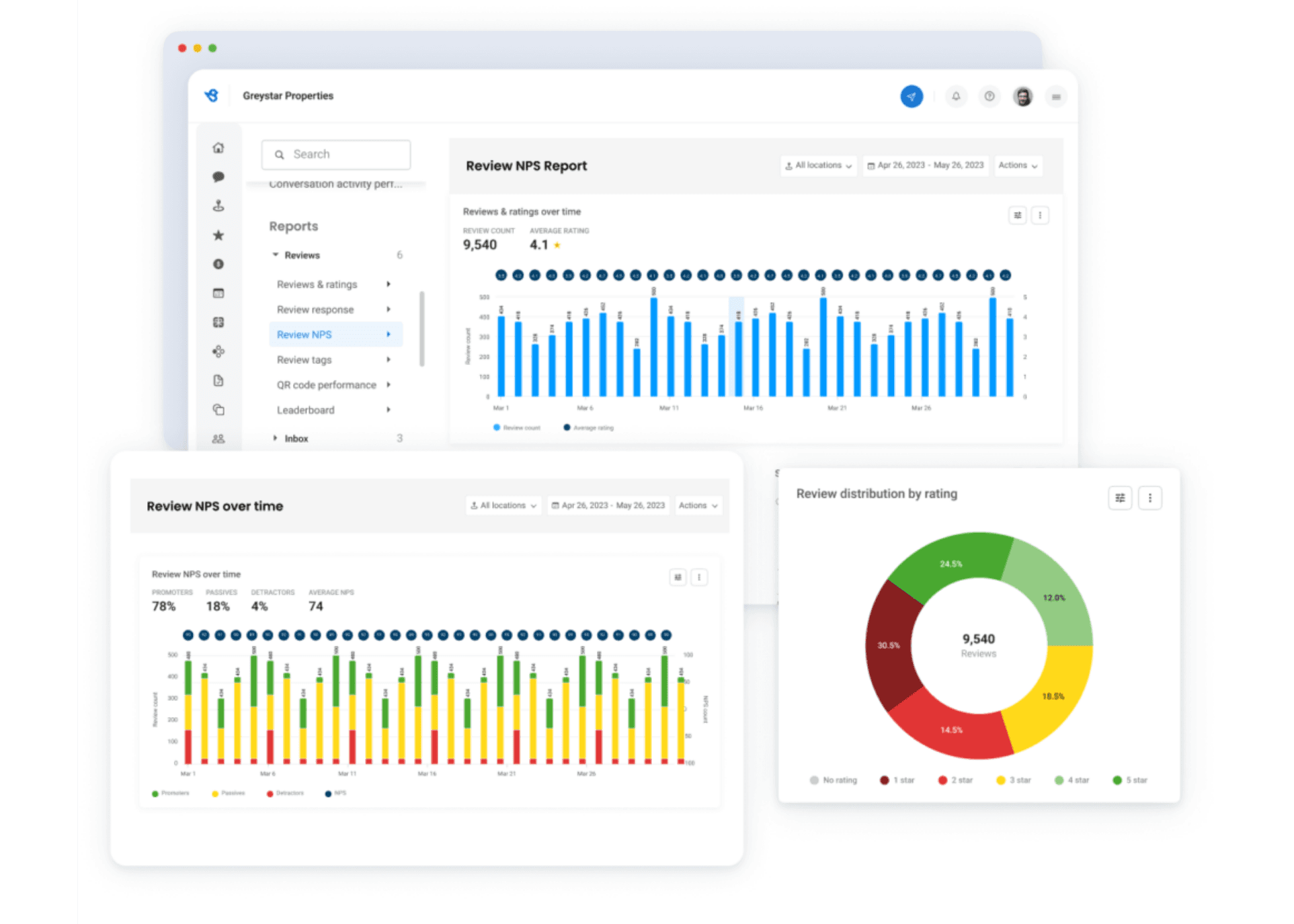
Birdeye is a customer experience platform that combines reputation management, review monitoring, and customer feedback collection. It is designed primarily for multi-location businesses that need to manage online reviews and customer sentiment across many locations simultaneously.
Its feedback analytics capabilities are oriented toward reputation and review data rather than deep analysis of support conversations or cross-channel customer intelligence. For organizations whose primary concern is online reputation and review volume, it offers a practical set of tools.
Key features and benefits:
Review monitoring and response management across major platforms
Multi-location reputation tracking and benchmarking
Customer survey distribution with response analytics
Messaging and webchat for customer communication
Competitor review benchmarking
Best fit: Multi-location businesses in industries like healthcare, automotive, and home services where online reputation management is a primary priority.
7. SurveyMonkey
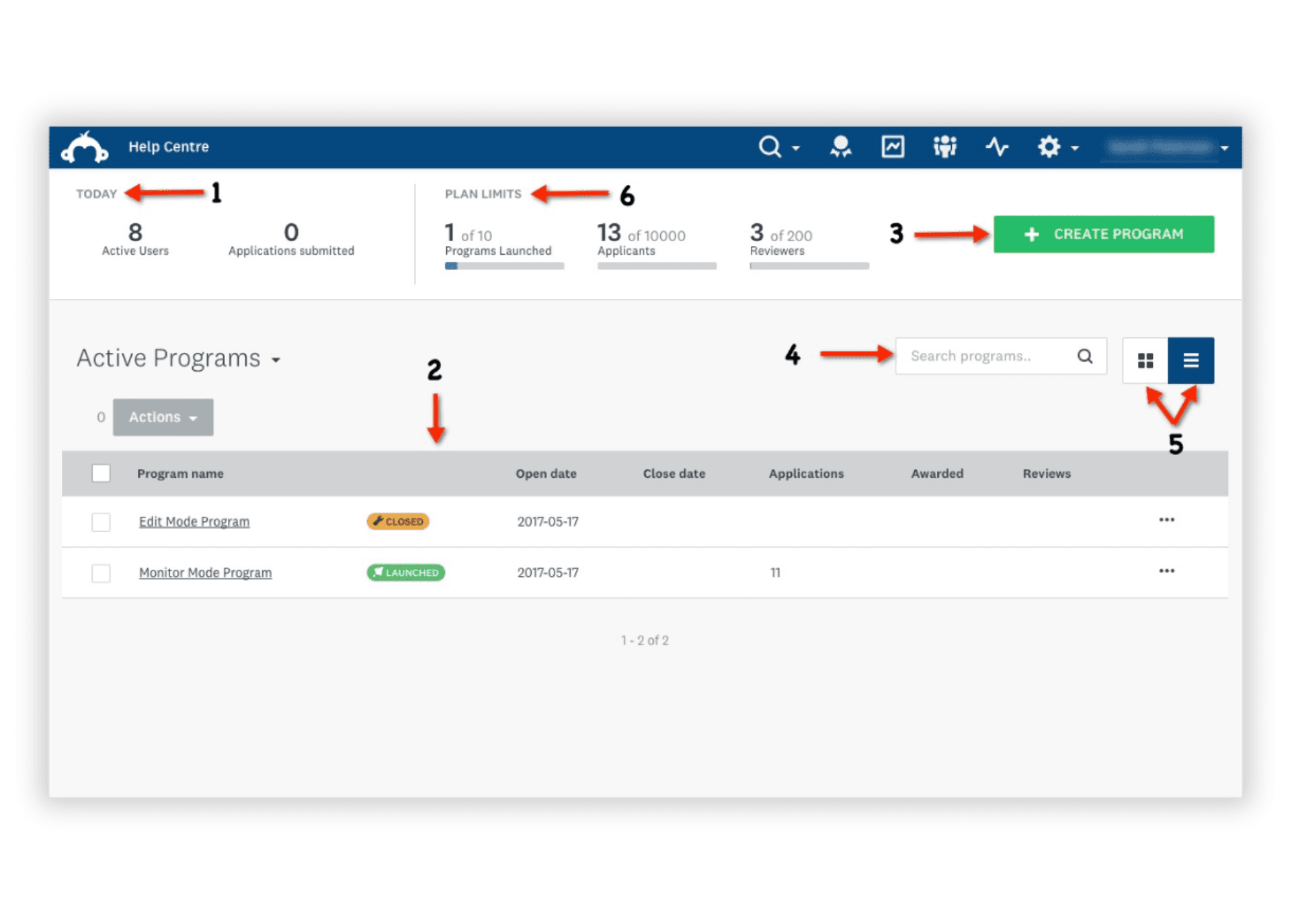
SurveyMonkey is one of the most widely used survey collection tools available, designed for teams that need to create, distribute, and analyze structured survey responses quickly and at scale.
It is a feedback collection tool rather than a feedback analytics platform. It excels at gathering structured, quantitative responses and producing basic reporting on those responses. For organizations that need to go beyond survey data, analyzing unstructured conversations, detecting emerging themes, or building cross-channel customer intelligence, SurveyMonkey is not designed for that use case.
Key features and benefits:
Easy-to-use survey builder with a large template library
Response collection across email, web, and mobile
Basic cross-tabulation and filtering for survey results
Integration with common business tools like Salesforce and HubSpot
Benchmarking against industry response norms